
Choosing a countertop is one of the most important decisions in a kitchen or bathroom renovation. It’s not just a visual feature—it’s a surface you use every day. Cooking, cleaning, placing hot items, and dealing with spills all happen here.
Quartz, granite, and sintered stone are among the most popular choices today. They may look similar at first glance, but they perform very differently in real life. Understanding these differences helps homeowners choose a countertop that fits their lifestyle, not just their design taste.
Why Countertop Choice Matters More Than You Think
Countertops are expensive and disruptive to replace once installed. A wrong choice can lead to stains, cracks, high maintenance, or daily frustration.
The best countertop is not the most premium one—it’s the one that matches how you cook, clean, and live.
Quartz Countertops: Low Maintenance and Consistent Look
Quartz countertops are engineered stone, made from natural quartz combined with resin. This makes them highly consistent in colour and pattern.
One of quartz’s biggest strengths is low maintenance. It is non‑porous, meaning it does not absorb liquids easily. This makes it resistant to stains and bacteria, which is especially appealing in busy kitchens.
However, quartz has limitations with high heat. Placing very hot pots directly on the surface can cause damage. For homeowners who cook frequently with high heat, this is an important consideration.
Quartz suits homeowners who want a clean, modern look with minimal upkeep and predictable performance.
Granite Countertops: Natural Beauty With Character
Granite is a natural stone, and no two slabs are exactly the same. This natural variation is its biggest appeal. Many homeowners choose granite for its organic patterns and depth.
Granite performs well with heat and is generally durable for daily cooking. However, because it is naturally porous, it requires periodic sealing to prevent stains and moisture absorption.
Maintenance is not difficult, but it does require awareness. Spills should be wiped quickly, and sealing must be done occasionally to maintain performance.
Granite suits homeowners who appreciate natural materials and don’t mind a bit of upkeep in exchange for character.
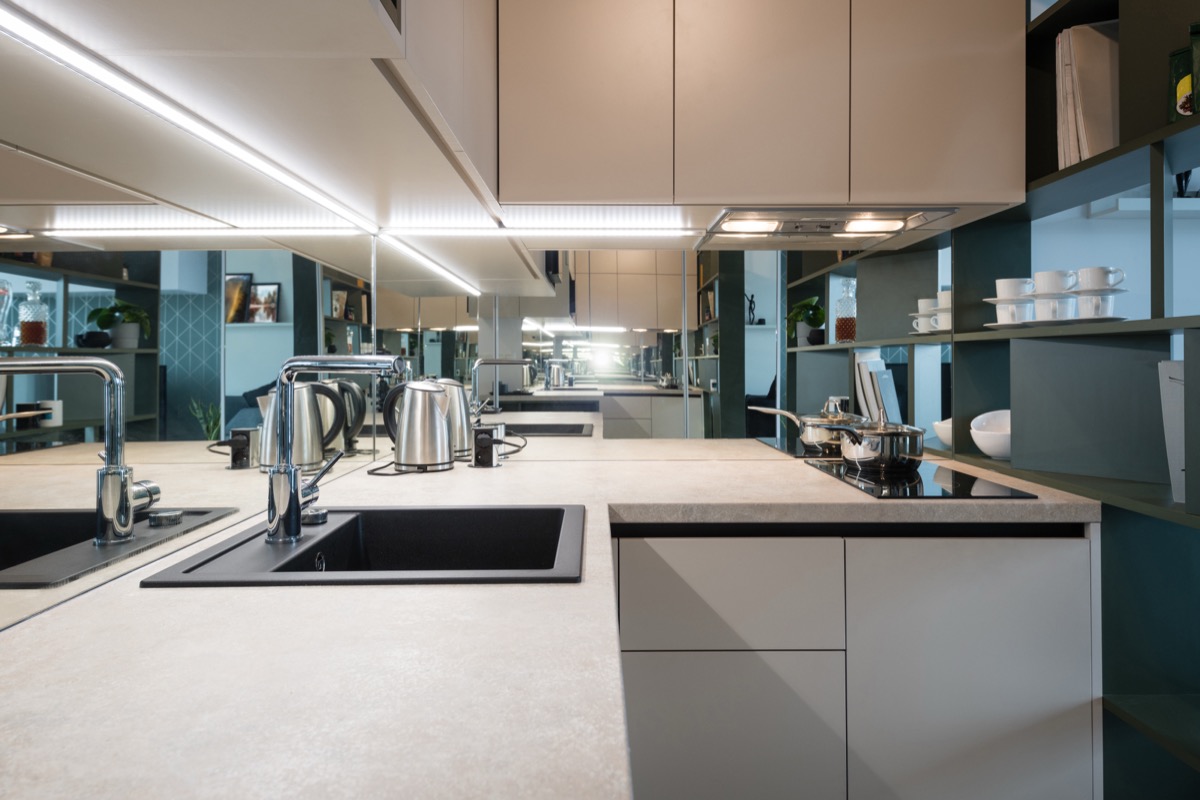
Sintered Stone: High Performance, Modern Material
Sintered stone is a man‑made surface created under extreme heat and pressure, mimicking natural stone formation. It is one of the newest countertop materials in the market.
Its biggest advantage is performance. Sintered stone is highly resistant to heat, scratches, UV, and stains. Hot pots, direct sunlight, and heavy use generally do not affect it.
However, sintered stone can be less forgiving on impact. Sharp blows on edges may cause chipping, and installation quality is critical due to the material’s density.
This material suits homeowners who want maximum durability and a sleek, contemporary look, especially for heavy‑use kitchens.
Maintenance Differences Homeowners Often Overlook
Quartz is the easiest to maintain, requiring no sealing. Granite needs occasional sealing and mindful cleaning. Sintered stone requires minimal maintenance but demands careful installation and handling.
Maintenance is not just about cleaning—it’s about how much attention you want to give the surface over the years.
Cost vs Value: Looking Beyond Price
Granite, quartz, and sintered stone vary widely in price depending on quality, thickness, and brand. However, value should be judged over long‑term use, not just upfront cost.
A cheaper countertop that needs replacement or constant care may cost more in the long run than a slightly higher‑priced, durable option.
Which Countertop Works Best for Malaysian Homes?
Malaysian kitchens often involve frequent cooking, moisture, and heat. This makes durability and resistance especially important.
Quartz works well for low‑to‑moderate cooking households. Granite suits those who enjoy natural stone and are comfortable with maintenance. Sintered stone is ideal for homeowners who cook heavily and want a worry‑free surface—provided installation is done properly.
Final Thoughts: Choose for Lifestyle, Not Trend
All three materials—quartz, granite, and sintered stone—are good options when used correctly. Problems arise when homeowners choose based on showroom appearance alone.
Before deciding, ask yourself one honest question:
How will I actually use this countertop every day?
When your countertop supports your cooking habits, maintenance tolerance, and lifestyle, it becomes an asset—not a regret.