
Vinyl flooring is widely chosen for Malaysian homes because it is comfortable, water‑resistant, and easy to maintain. Yet one of the most common complaints homeowners raise after installation is warping, lifting, or bubbling.
What makes this especially frustrating is that vinyl is often marketed as “waterproof.” So why does it still warp—and more importantly, how can it be prevented?
The answer lies in understanding how vinyl behaves in real‑world conditions, not just in product brochures.
What Warping Actually Looks Like
Warping doesn’t always mean dramatic lifting overnight. In many homes, it starts subtly.
Planks may lift slightly at the edges, develop soft waves, or separate at joints. Over time, these small changes become more obvious, affecting both appearance and comfort underfoot.
Once warping occurs, fixing it usually requires partial or full replacement, which is why prevention matters far more than repair.
Heat Is the Biggest Cause of Vinyl Warping
Vinyl flooring is sensitive to temperature changes. Prolonged exposure to heat—especially direct sunlight through large windows—causes the material to expand.
In Malaysian homes, strong afternoon sun combined with glass sliding doors can heat floors significantly. When vinyl expands without enough room to move, it pushes against fixed edges and begins to warp.
This is one of the most common causes of flooring failure in condos with full‑height windows.
Insufficient Expansion Gaps Restrict Movement
Vinyl flooring needs space to expand and contract naturally. If installers leave insufficient expansion gaps along walls, cabinets, or door frames, the floor has nowhere to go.
Over time, daily temperature changes force the flooring to push upward instead of outward, leading to lifting and buckling.
This issue is not visible immediately, which is why it often surprises homeowners months after installation.
Poor Subfloor Conditions Make Warping Worse
Vinyl follows the surface beneath it. Uneven, damp, or unstable subfloors amplify warping issues.
Moisture trapped in concrete slabs, uneven levelling, or debris left under the flooring create stress points. As vinyl expands and contracts, these weak spots become visible as warping or bubbling.
Proper subfloor preparation is critical, yet it is one of the most commonly rushed steps.
Not All Vinyl Flooring Is the Same
There are different types of vinyl flooring, and they behave differently.
Thinner vinyl planks and lower‑density cores are more prone to heat‑related movement. Rigid core options such as SPC perform better, but they are not immune to poor installation or extreme conditions.
Choosing vinyl based on price alone often leads to higher long‑term cost.
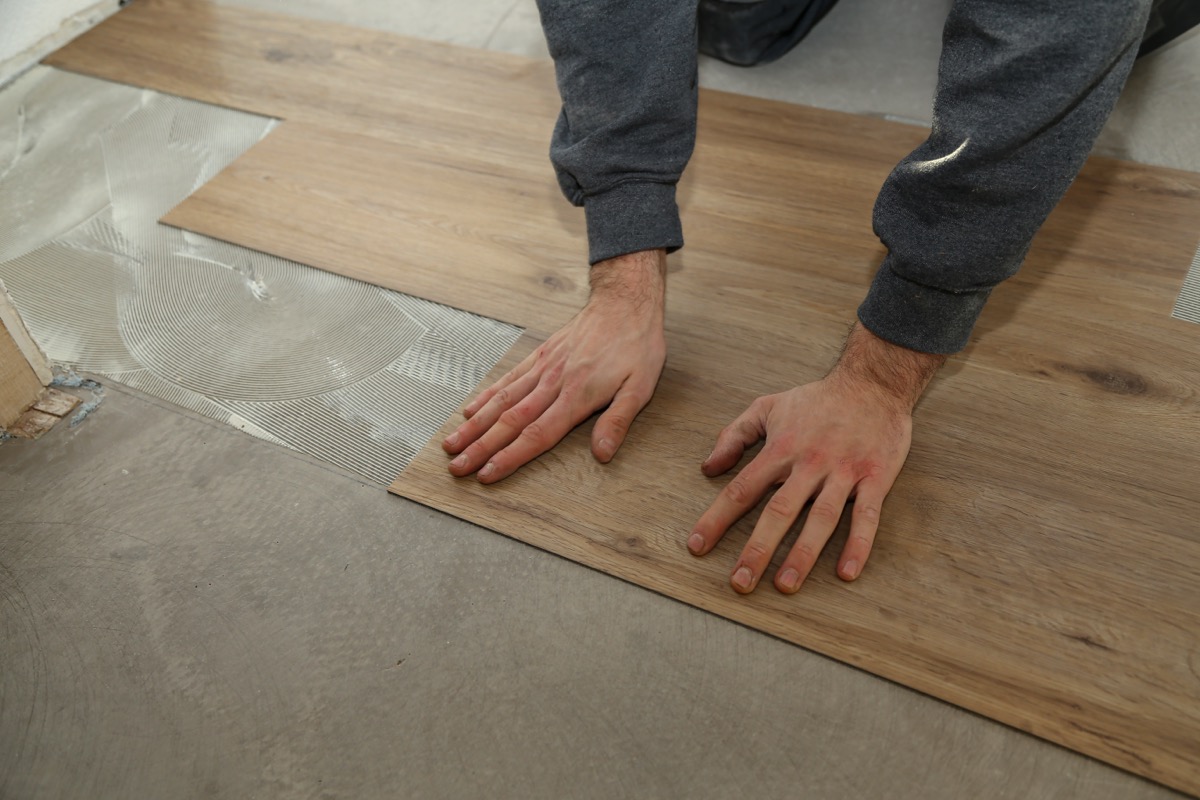
Direct Sunlight and Window Placement Matter
Areas near balconies, bay windows, and sliding doors experience higher thermal stress. Without blinds, curtains, or UV‑filtering films, floors in these zones heat up significantly.
This uneven heating causes localized expansion, which leads to patchy warping rather than uniform movement.
Why “Waterproof” Does Not Mean “Warp‑Proof”
Many homeowners assume waterproof flooring cannot warp. In reality, waterproof refers to water absorption, not heat stability.
Vinyl can resist spills but still expand under heat or pressure. Misunderstanding this distinction leads to unrealistic expectations.
How to Prevent Vinyl Flooring From Warping
Prevention starts long before installation day.
Choosing the right vinyl type for sun‑exposed areas, ensuring proper expansion gaps, and preparing a dry, level subfloor all make a significant difference. Allowing flooring to acclimatise before installation also reduces post‑installation movement.
After installation, managing sunlight with curtains or blinds and avoiding extreme heat exposure helps maintain stability.
Installation Quality Matters More Than Brand
Even premium vinyl flooring will warp if installed incorrectly. Conversely, well‑installed mid‑range vinyl often outperforms poorly installed high‑end products.
Installation is not just labour—it is technical execution. Rushed work, skipped steps, or inexperience often show their effects months later.
Final Thoughts: Vinyl Flooring Needs the Right Conditions
Vinyl flooring is not a bad material—it is simply misunderstood. When installed with proper planning and realistic expectations, it performs well in Malaysian homes.
Warping happens not because vinyl is weak, but because heat, movement, and preparation were underestimated.
Before choosing vinyl flooring, ask one critical question:
Is this floor being installed for showroom conditions—or real daily living?
When the answer accounts for heat, space, and installation quality, vinyl flooring becomes a reliable choice rather than a regret.